
Computed Tomography (CT) Scan
When it comes to investigations, there are many different ones available to patients these days. In this article, we shall talk briefly of one such investigation called Computed Tomography, sometimes called a CT scan.
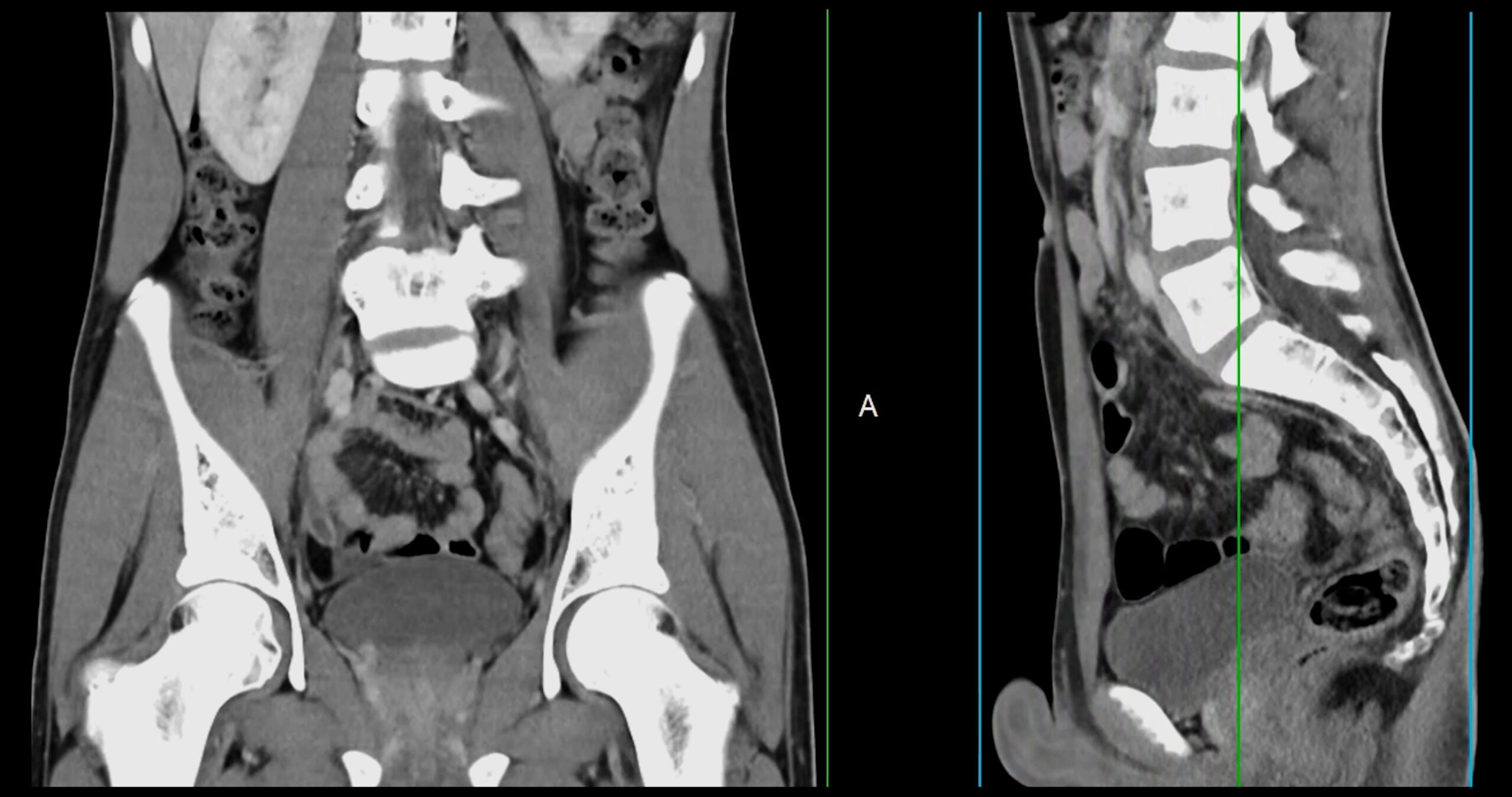
Computed Tomography (CT) Scan
Computed Tomography (CT) scanning is a powerful diagnostic imaging tool widely used in spine care. It provides detailed cross-sectional images of the spine, helping physicians accurately diagnose a variety of conditions and plan effective treatment.
What Is a CT Scan?
A CT scan uses a series of X-ray images taken from multiple angles to create three-dimensional, cross-sectional views of the spine. Unlike traditional X-rays that produce a single flat image, CT scans show the bones, joints, and soft tissues in thin "slices," offering much greater detail.
Common Uses in Spine Evaluation
CT scans are particularly effective for assessing:
- Spinal fractures and trauma
- Bone spurs and degenerative changes
- Spinal stenosis (narrowing of the spinal canal)
- Spondylolisthesis (slipped vertebrae)
- Spinal tumors or infections
- Complex spinal deformities and alignment issues
CT Myelogram
When more detailed information about the spinal cord and nerve roots is needed, a CT Myelogram may be performed. This involves injecting contrast dye into the spinal canal before the CT scan, allowing excellent visualization of areas where nerves may be compressed.
Advantages of CT Scans
- Superior bone detail compared to MRI
- Quick scan time (usually 10–20 minutes)
- Useful for patients who cannot have an MRI (pacemakers, certain implants, or claustrophobia)
- Excellent for surgical planning and post-operative evaluation
CT Scan vs MRI
While MRI is often preferred for evaluating soft tissues like discs and nerves, CT excels at showing bony structures. Many patients benefit from both imaging studies for a complete diagnostic picture.
What to Expect
The procedure is painless and non-invasive. You will lie on a table that moves through a doughnut-shaped scanner. You may be asked to hold your breath briefly. If contrast dye is needed, it is administered through an IV. Radiation exposure is relatively low and considered safe for diagnostic purposes.
When Is a CT Scan Recommended?
Your spine specialist may recommend a CT scan if you have sustained trauma, have unexplained pain, previous spinal surgery with hardware, or need detailed imaging for surgical planning.
CT scans remain an essential tool in modern spine care, providing critical information that helps guide precise diagnosis and successful treatment outcomes.
If you’re experiencing back or neck pain, contact our office to schedule a consultation and discuss which imaging studies are right for you.