
CT Myelogram
A Myelography (Myelogram) will evaluate your spine for any issues down to the nerve roots.
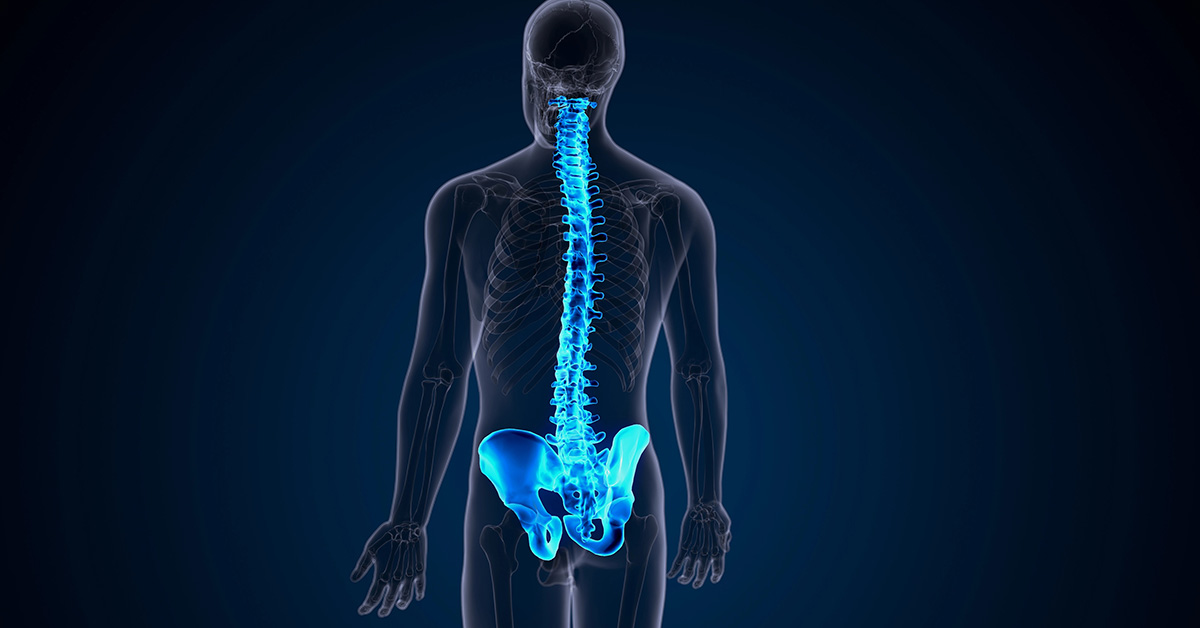
CT Myelogram
A CT Myelogram is a specialized diagnostic imaging test that combines a traditional myelogram with a Computed Tomography (CT) scan. It provides highly detailed images of the spinal canal, spinal cord, and nerve roots, making it an important tool when evaluating complex spine conditions.
What Is a CT Myelogram?
During this procedure, a contrast dye is injected into the spinal fluid in the lower back (lumbar puncture). A CT scan is then performed to capture detailed cross-sectional images of the spine where the dye has spread. The contrast dye makes the spinal fluid visible, allowing clear visualization of areas where the spinal cord or nerves may be compressed or irritated.
When Is a CT Myelogram Used?
CT Myelograms are often recommended when:
- An MRI cannot be performed (due to pacemakers, metal implants, or claustrophobia)
- Previous spine surgery makes MRI images difficult to interpret
- More detailed information about nerve root compression is needed
- Evaluating spinal stenosis, herniated discs, or tumors
- Planning complex spinal surgery
Advantages of CT Myelogram
- Excellent visualization of the spinal canal and nerve roots
- Superior detail of bony structures compared to standard MRI
- Highly useful for patients with hardware from previous surgeries
- Provides clear images even when other tests are inconclusive
What to Expect During the Procedure
The test is typically performed in two parts:
- A small amount of contrast dye is injected into the spinal canal via lumbar puncture.
- You are then moved to a CT scanner for detailed imaging.
The procedure usually takes 30–60 minutes. You may be asked to lie flat for a period afterward to minimize side effects such as headache.
Risks and Considerations
While generally safe, a CT Myelogram involves a lumbar puncture and contrast dye, so there is a small risk of headache, infection, or allergic reaction. Radiation exposure from the CT scan is also a factor. Your spine specialist will discuss whether this test is appropriate for your specific condition.
CT Myelogram vs. MRI
Although MRI is usually the first choice for soft tissue evaluation, a CT Myelogram can provide superior detail in certain situations, particularly when evaluating bony anatomy or in patients who cannot undergo MRI.
CT Myelograms remain a valuable diagnostic tool in modern spine care, offering critical information that helps guide precise treatment decisions and improve surgical outcomes.
If you have questions about whether a CT Myelogram is right for you, schedule a consultation with our experienced spine team.